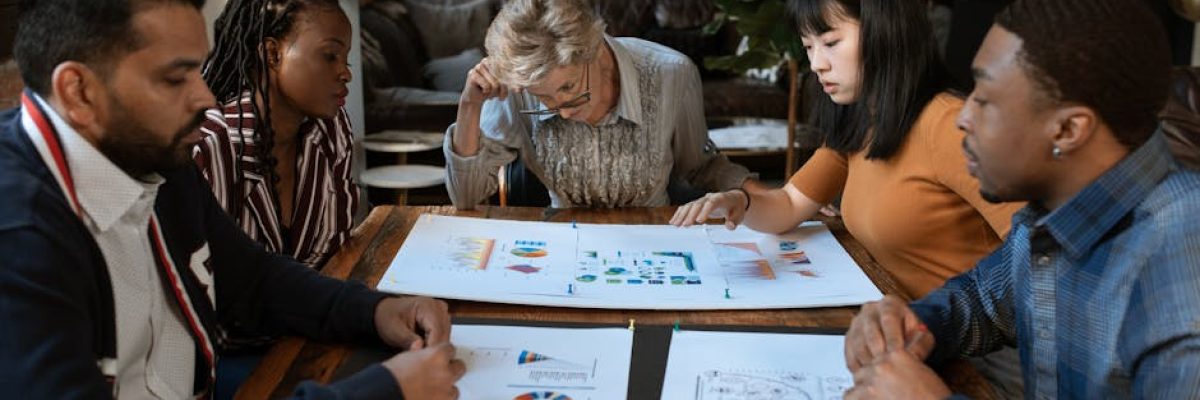
In recent years, the landscape of team collaboration has undergone a profound transformation, accelerated by technological advancements and the shift towards remote work. Understanding the emerging trends in team collaboration is essential for organizations looking to thrive in this evolving environment. This article explores the key trends shaping team collaboration today and offers insights into how businesses can leverage these changes for improved productivity and engagement.
1. **The Rise of Hybrid Work Models**
As organizations embrace flexible working arrangements, hybrid models have become increasingly popular. Employees often split their time between the office and remote work. This shift necessitates robust collaboration tools that can facilitate seamless communication and project management regardless of location. Companies are investing in platforms that support real-time collaboration, ensuring that teams can stay connected and engaged, whether they’re in the same room or miles apart.
2. **AI-Powered Collaboration Tools**
Artificial Intelligence (AI) is making its mark in team collaboration, streamlining workflows and enhancing productivity. Tools powered by AI can help automate mundane tasks, analyze team performance, and provide insights into collaboration patterns. For instance, AI-driven project management software can prioritize tasks based on deadlines and team member availability, allowing for a more efficient allocation of resources.
3. **Focus on Mental Well-being**
With the blurring lines between work and personal life, companies are increasingly prioritizing the mental well-being of their teams. Collaboration tools are now integrating features that promote well-being, such as mood tracking, mental health resources, and channels for social interaction. These features foster a supportive team culture, encouraging open discussions about mental health and work-life balance.
4. **Visual Collaboration**
Visual collaboration tools, such as digital whiteboards and mind mapping software, are gaining traction as they cater to diverse learning styles and facilitate brainstorming sessions. These tools allow teams to visualize ideas, making collaboration more dynamic and engaging. As remote teams often miss out on the spontaneous interactions that occur in physical meetings, visual collaboration tools serve as a powerful alternative, driving creativity and innovation.
5. **Integrating Collaboration into Daily Workflow**
The most effective collaboration is seamless and integrated into daily workflows. Companies are moving away from isolated collaboration tools and adopting platforms that consolidate various functionalities—chat, project management, file sharing—into a single interface. This integration minimizes disruptions, allowing team members to focus on their work without toggling between multiple applications.
6. **Emphasis on Inclusivity**
In an increasingly diverse workplace, inclusivity in collaboration is paramount. Organizations are recognizing the need for tools that accommodate different languages, cultural nuances, and accessibility requirements. By prioritizing inclusivity, companies not only foster a positive work environment but also harness the full potential of their diverse teams.
7. **Gamification of Collaboration**
Gamification is emerging as a unique approach to enhancing team collaboration. By incorporating game-like elements such as rewards, challenges, and leaderboards into collaboration platforms, companies can motivate team members and create a sense of community. This approach not only makes collaboration more enjoyable but also encourages participation and fosters a spirit of teamwork.
**Conclusion**
As the world of work continues to evolve, staying ahead of collaboration trends is vital for any organization. By embracing hybrid work models, integrating AI, prioritizing mental well-being, and focusing on inclusivity, businesses can create a collaborative environment that drives innovation and engagement. The future of team collaboration is not just about tools but about cultivating a culture that values connection, creativity, and support.